Your ultimate guide to Japan — authentic food, breathtaking travel spots, rich culture, and the latest trends. Whether you’re planning your first trip or your tenth, we’ll help you experience Japan like a true insider.
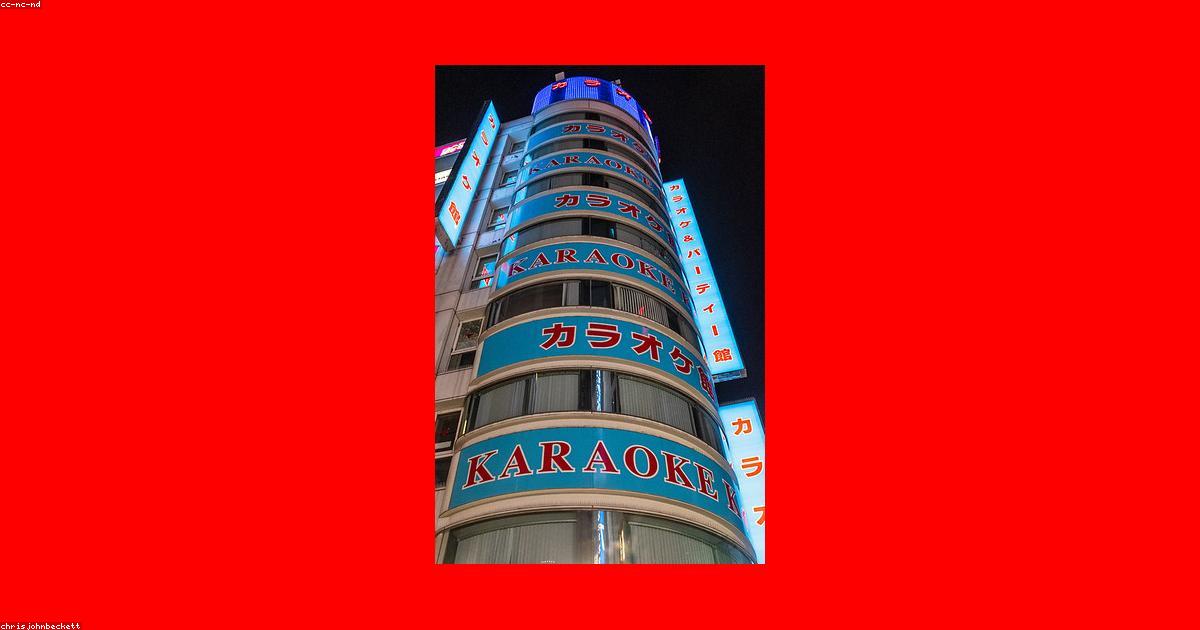
Tokyo Disney Resort Guide 2026: Disneyland vs DisneySea for First-Timers
Many first-time visitors assume Tokyo has one Disney park, but Tokyo Disney Resort is actually made up of two completely separate parks — Tokyo Disneyland and Tokyo DisneySea — each with its own gates, attractions, and atmosphere. Knowing the difference before you go makes a big difference in planning a satisfying day (or two). The resort is located in Urayasu, Chiba Prefecture, just across the bay from central Tokyo, and is operated by Oriental Land Co., not Disney directly — a detail that explains why Tokyo’s parks often feel a little different in style from their US counterparts. ...
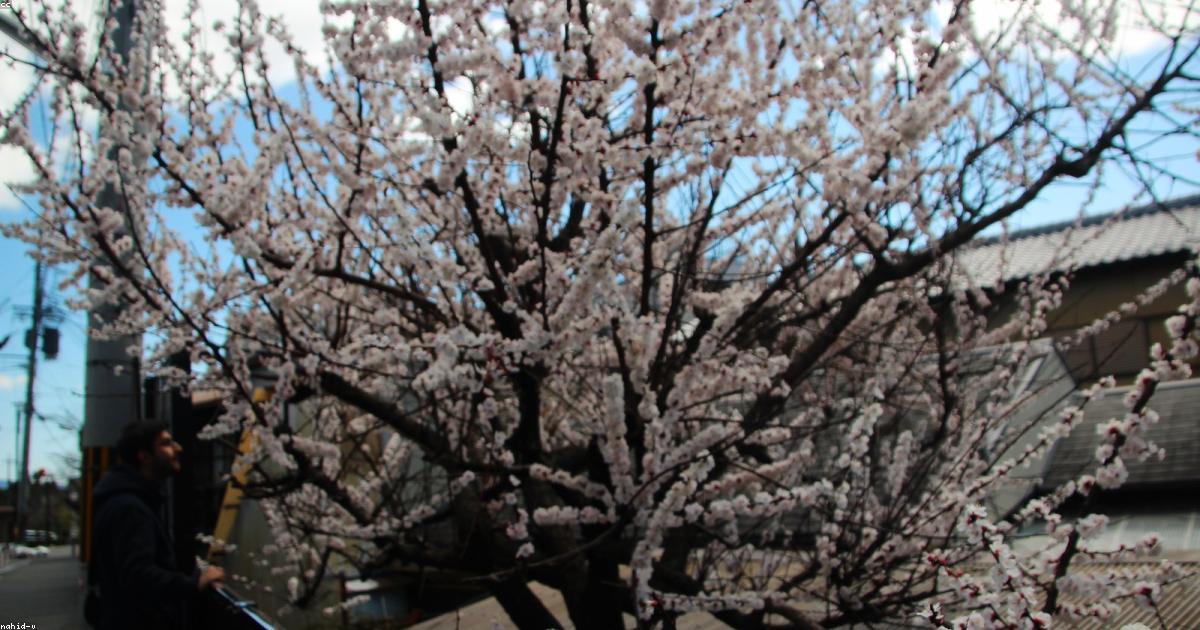
Nara Day Trip Guide 2026: Deer Park, Todai-ji, and What First-Timers Should Know
Just 45 minutes from Kyoto and about an hour from Osaka, Nara is one of the most popular — and easiest — day trips in the Kansai region. It was Japan’s capital before Kyoto, which means the city is packed with historic temples and shrines, but most visitors come first for one thing: the hundreds of free-roaming deer that wander through Nara Park. Why Nara Is Worth the Trip Japan’s oldest capital city (710–784 AD), with UNESCO World Heritage temples still standing Nara Park is home to over a thousand wild sika deer, considered messengers of the gods in local Shinto belief Compact sightseeing area — most major sights are within walking distance of each other Easily combined with Kyoto or Osaka as a half-day or full-day trip Todai-ji Temple and the Great Buddha Todai-ji is Nara’s headline sight and one of the largest wooden buildings in the world. Inside sits the Daibutsu, a bronze Buddha statue over 15 meters tall, cast in the 8th century. ...
Hiroshima and Miyajima Guide 2026: Peace, History, and Japan's Most Photographed Torii Gate
Hiroshima is a city that asks something different of visitors than Tokyo or Kyoto. It’s not chasing your attention with neon or centuries-old palace grounds — it’s asking you to sit with history for a while, and then rewarding you with some of the best food and scenery in western Japan. Paired with nearby Miyajima island, it makes one of the most memorable one-to-two-day trips in the country. Why Hiroshima Belongs on Your Itinerary Many travelers treat Hiroshima as a rushed half-day stop between Osaka and Kyushu on the Shinkansen. That undersells it. The city rebuilt itself into a genuinely livable, green, tram-crossed place, and the historical sites here carry a weight that’s hard to fully appreciate from a guidebook description alone — you have to walk through them. ...
First-Timer's Osaka Guide 2026: Street Food, Neighborhoods, and What Not to Miss
If Tokyo is Japan’s polished business card, Osaka is its loud, hungry, endlessly entertaining cousin. Japan’s third-largest city runs on food, humor, and a directness you won’t find anywhere else in the country. Locals will actually talk to you here. Here’s everything a first-timer needs to know for 2026. Why Osaka Deserves More Than a Day Trip Many travelers treat Osaka as a base for Kyoto and Nara, sleeping there but sightseeing elsewhere. That’s a mistake. Osaka has its own identity — it’s historically Japan’s merchant city, and that trading heritage shaped a culture that values good food, good prices, and good conversation over formality. ...
Sumo Wrestling for Tourists 2026: How to Watch a Basho and Why You Should
If you’re planning a trip to Japan in 2026, you’ve probably got the classics on your list: temples in Kyoto, Tokyo’s neon-lit streets, maybe a day trip to Mount Fuji. But here’s something that might not be on your radar yet — watching live sumo wrestling. More and more international visitors are discovering that attending a sumo tournament, called a basho, is one of the most memorable experiences Japan has to offer. It’s not just a sport. It’s a window into centuries of Japanese tradition, wrapped up in a surprisingly fast-paced and dramatic athletic competition. ...
Hokkaido Travel Guide 2026: Japan's Northern Frontier for First-Timers
If you’re planning a trip to Japan in 2026 and wondering whether Hokkaido deserves a spot on your itinerary, let me save you some time: yes, absolutely. While the classic Tokyo-Kyoto-Osaka Golden Route remains wonderful, more and more travelers are looking beyond these well-trodden paths—and Hokkaido is quickly becoming one of the most rewarding alternatives. I’ve spent years exploring Japan, and Hokkaido still feels like stepping into a completely different country. Here’s everything you need to know to plan your first visit. ...
Japan's Tax-Free Shopping Changes in 2026: What Every Tourist Needs to Know
If you’re planning a shopping spree in Japan later this year or beyond, there’s an important update you’ll want to know about. Japan’s tax-free shopping system for tourists is getting a significant overhaul, and it’s going to change how you budget for those electronics in Akihabara, cosmetics in Harajuku, or traditional crafts in Kyoto. Don’t worry — you’ll still be able to get that 10% consumption tax back. But the how and when are changing in ways that matter for your wallet and your travel planning. Let’s break it all down. ...
A Beginner's Guide to Japanese Capsule Hotels: What to Expect Before You Book
Capsule hotels are one of those only-in-Japan experiences that show up on every travel bucket list — but also one of the most misunderstood. Are they cramped coffins? Are they only for drunk salarymen who missed the last train? Not anymore. Here’s what actually happens when you check into a capsule hotel in 2026. What a Capsule Hotel Actually Is A capsule hotel is a budget-to-midrange accommodation built around rows of stacked sleeping pods instead of private rooms. Each capsule is roughly the size of a single bed with just enough headroom to sit up, fitted with a mattress, a reading light, an outlet, and usually a small screen or shelf. A curtain or fold-down shade closes off the opening — there’s no locking door on most capsules, but the privacy is more complete than it sounds. ...
Japan on a Budget: Cheap Eats, Free Sights, and Money-Saving Tricks (2026)
Think Japan is expensive? It can be — but it’s also one of the best countries in the world for cheap, high-quality experiences. Here’s how to travel Japan on a budget without feeling like you’re missing out. Cheap Eats (Under ¥1,000) Konbini meals — onigiri, sandwiches, bento; fresh, cheap, everywhere Chain restaurants — gyudon (beef bowl) shops, standing soba, curry chains: filling meals for ¥400–800 Ramen shops — most bowls are ¥800–1,100 Supermarket bento discounts — 30–50% off in the evening (look for discount stickers) Depachika samples & food halls — quality food at reasonable prices Kaiten sushi — conveyor-belt sushi from ¥120 a plate Free (or Nearly Free) Things to Do Shrines and temples — most shrine grounds are free (some temples charge for inner halls) Parks and gardens — many are free or a few hundred yen Observation decks — some government buildings offer free city views Neighborhood walks — Yanaka, Shimokitazawa, Kyoto’s backstreets: atmosphere costs nothing Festivals (matsuri) — free entertainment, especially in summer Window shopping in electronics stores, 100-yen shops, and depachika Transport Savings IC card for pay-as-you-go; consider day passes only if you’ll ride a lot Highway buses between cities are far cheaper than shinkansen (if you have time) Walk — Japanese cities are safe and dense; walking often beats short train hops Check regional rail passes — only buy if the math works for your route Accommodation Savings Business hotels — compact, clean, often ¥6,000–10,000 Capsule hotels & hostels — from ¥3,000–5,000 Stay near, not in, the center — a 15-minute train ride can halve the price Avoid peak seasons (Golden Week, Obon, New Year) when prices spike Everyday Money Tricks 100-yen shops for souvenirs, umbrellas, and forgotten essentials Free water is served at restaurants — no need to buy drinks Tax-free shopping with your passport at bigger stores Museums often have free days or student discounts Sample Budget Day (Tokyo) Breakfast: konbini onigiri + coffee — ¥400 Morning: free shrine + neighborhood walk — ¥0 Lunch: gyudon chain — ¥600 Afternoon: park + free observation deck — ¥0 Dinner: ramen — ¥1,000 Total: ~¥2,000 + transport Quick Summary Eat cheap and well: konbini, chains, ramen, evening bento discounts Fill days with free shrines, parks, walks, and festivals Use IC cards, buses, and your feet for transport Sleep in business hotels/capsules, slightly off-center 100-yen shops and free water keep daily costs tiny Budget travel in Japan isn’t a compromise — some of the most memorable experiences here cost nothing at all.
First-Timer's Kyoto Guide: Top Things to Do in 2026
If Tokyo is Japan’s energetic present, Kyoto is its timeless heart. With over a thousand temples, geisha districts, and serene gardens, it’s the must-visit cultural destination. Here’s a first-timer’s guide to making the most of it. Top Sights You Shouldn’t Miss Fushimi Inari Shrine — the famous thousands of red torii gates (go early or late to avoid crowds) Kinkaku-ji (Golden Pavilion) — a gold-leaf temple over a reflecting pond Kiyomizu-dera — hillside temple with sweeping city views Arashiyama Bamboo Grove — magical early morning; nearby monkey park and river Gion — the historic geisha district; atmospheric in the evening Experiences to Try Wear a kimono and stroll the old streets Join a tea ceremony Eat kaiseki (traditional multi-course cuisine) Visit Nishiki Market (“Kyoto’s Kitchen”) for food sampling Getting Around Kyoto Buses cover most temples; subway + walking works for central areas Get an IC card (ICOCA/Suica) for tap-and-go Rent a bicycle — Kyoto is flat and bike-friendly Trains connect easily to Osaka and Nara for day trips Tips to Beat the Crowds Visit popular temples right at opening or late afternoon Go on weekdays if possible Avoid peak foliage (late Nov) and cherry blossom (early Apr) if you dislike crowds — or book far ahead Summer is hot and humid — carry water and plan indoor breaks Suggested 2-Day Plan Day 1 (East): Fushimi Inari → Kiyomizu-dera → Gion (evening) Day 2 (West/North): Arashiyama (morning) → Kinkaku-ji → Nishiki Market Getting There From Tokyo, the Shinkansen reaches Kyoto in about 2.5 hours. Kyoto Station is a major hub with buses, trains, and luggage lockers. ...