A tourist shopping in a Japanese store

Japan's Tax-Free Shopping Changes in 2026: What Every Tourist Needs to Know

If you’re planning a shopping spree in Japan later this year or beyond, there’s an important update you’ll want to know about. Japan’s tax-free shopping system for tourists is getting a significant overhaul, and it’s going to change how you budget for those electronics in Akihabara, cosmetics in Harajuku, or traditional crafts in Kyoto. Don’t worry — you’ll still be able to get that 10% consumption tax back. But the how and when are changing in ways that matter for your wallet and your travel planning. Let’s break it all down. ...

July 13, 2026 · 5 min · Japan Insider Team
Rows of sleeping capsules inside a Japanese capsule hotel

A Beginner's Guide to Japanese Capsule Hotels: What to Expect Before You Book

Capsule hotels are one of those only-in-Japan experiences that show up on every travel bucket list — but also one of the most misunderstood. Are they cramped coffins? Are they only for drunk salarymen who missed the last train? Not anymore. Here’s what actually happens when you check into a capsule hotel in 2026. What a Capsule Hotel Actually Is A capsule hotel is a budget-to-midrange accommodation built around rows of stacked sleeping pods instead of private rooms. Each capsule is roughly the size of a single bed with just enough headroom to sit up, fitted with a mattress, a reading light, an outlet, and usually a small screen or shelf. A curtain or fold-down shade closes off the opening — there’s no locking door on most capsules, but the privacy is more complete than it sounds. ...

July 9, 2026 · 5 min · Japan Insider Team
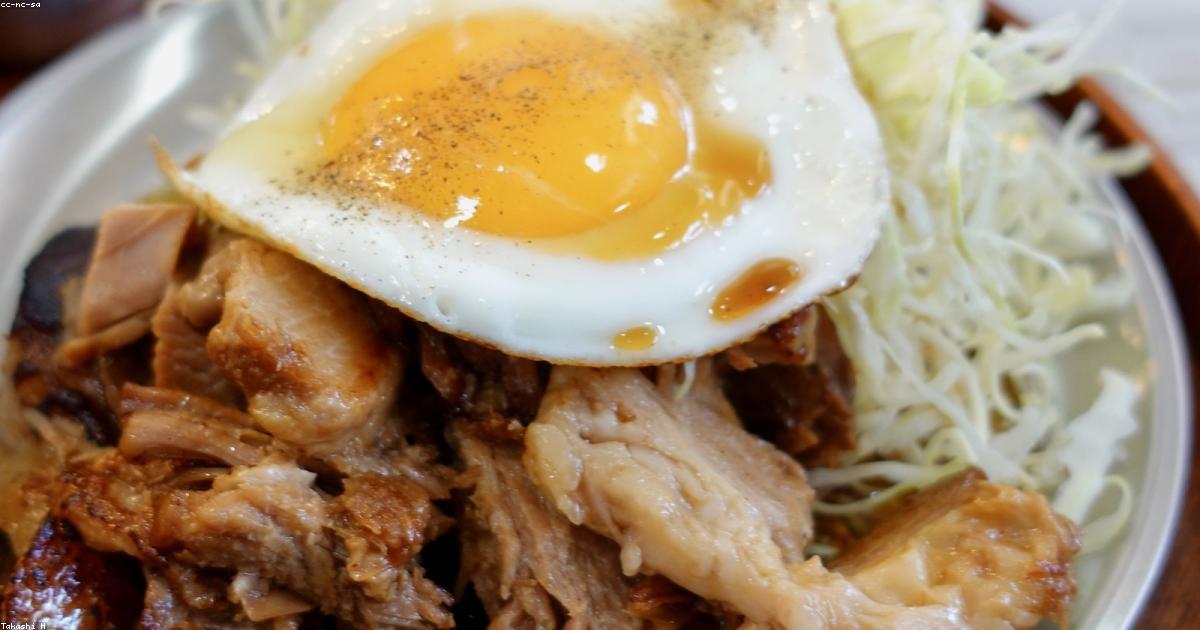
A bowl of ramen at an affordable Japanese restaurant

Japan on a Budget: Cheap Eats, Free Sights, and Money-Saving Tricks (2026)

Think Japan is expensive? It can be — but it’s also one of the best countries in the world for cheap, high-quality experiences. Here’s how to travel Japan on a budget without feeling like you’re missing out. Cheap Eats (Under ¥1,000) Konbini meals — onigiri, sandwiches, bento; fresh, cheap, everywhere Chain restaurants — gyudon (beef bowl) shops, standing soba, curry chains: filling meals for ¥400–800 Ramen shops — most bowls are ¥800–1,100 Supermarket bento discounts — 30–50% off in the evening (look for discount stickers) Depachika samples & food halls — quality food at reasonable prices Kaiten sushi — conveyor-belt sushi from ¥120 a plate Free (or Nearly Free) Things to Do Shrines and temples — most shrine grounds are free (some temples charge for inner halls) Parks and gardens — many are free or a few hundred yen Observation decks — some government buildings offer free city views Neighborhood walks — Yanaka, Shimokitazawa, Kyoto’s backstreets: atmosphere costs nothing Festivals (matsuri) — free entertainment, especially in summer Window shopping in electronics stores, 100-yen shops, and depachika Transport Savings IC card for pay-as-you-go; consider day passes only if you’ll ride a lot Highway buses between cities are far cheaper than shinkansen (if you have time) Walk — Japanese cities are safe and dense; walking often beats short train hops Check regional rail passes — only buy if the math works for your route Accommodation Savings Business hotels — compact, clean, often ¥6,000–10,000 Capsule hotels & hostels — from ¥3,000–5,000 Stay near, not in, the center — a 15-minute train ride can halve the price Avoid peak seasons (Golden Week, Obon, New Year) when prices spike Everyday Money Tricks 100-yen shops for souvenirs, umbrellas, and forgotten essentials Free water is served at restaurants — no need to buy drinks Tax-free shopping with your passport at bigger stores Museums often have free days or student discounts Sample Budget Day (Tokyo) Breakfast: konbini onigiri + coffee — ¥400 Morning: free shrine + neighborhood walk — ¥0 Lunch: gyudon chain — ¥600 Afternoon: park + free observation deck — ¥0 Dinner: ramen — ¥1,000 Total: ~¥2,000 + transport Quick Summary Eat cheap and well: konbini, chains, ramen, evening bento discounts Fill days with free shrines, parks, walks, and festivals Use IC cards, buses, and your feet for transport Sleep in business hotels/capsules, slightly off-center 100-yen shops and free water keep daily costs tiny Budget travel in Japan isn’t a compromise — some of the most memorable experiences here cost nothing at all.
July 2, 2026 · 2 min · Japan Insider Team
A scenic train heading out of Tokyo into the countryside

Best Day Trips from Tokyo for First-Timers (2026 Guide)

Tokyo could fill your whole trip — but spending one or two days exploring nearby towns gives you temples, hot springs, nature, and Mt. Fuji views without changing hotels. Here are the best day trips from Tokyo for first-time visitors, all reachable by train. Hakone — Hot Springs & Mt. Fuji Views About 1.5 hours from Tokyo, Hakone is the classic onsen (hot spring) escape. Soak in an onsen with mountain views Ride the Hakone Ropeway over volcanic valleys On clear days, see Mt. Fuji across Lake Ashi Tip: the Hakone Free Pass covers most local transport Kamakura — Temples & the Great Buddha About 1 hour away, Kamakura is a seaside town full of history. ...

June 22, 2026 · 2 min · Japan Insider Team
Traveler using a smartphone map on a Japanese street

Staying Connected in Japan 2026: SIM Cards, eSIM, and Pocket Wi-Fi Compared

Internet access is essential in Japan — for maps, translation, train apps, and mobile payments. Free Wi-Fi exists but is patchy, so most travelers get their own connection. Here’s how the three main options compare in 2026. The Three Options Prepaid SIM card — a physical card you swap into your phone eSIM — a digital SIM you install by scanning a QR code Pocket Wi-Fi — a small rental router you carry eSIM — Best for Most Modern Phones If your phone supports eSIM (most recent iPhones and Android flagships do), this is usually the easiest option in 2026. ...

June 20, 2026 · 2 min · Japan Insider Team
Tapping an IC card at a Japanese train station gate

Paying in Japan in 2026: IC Cards, Cash, and Mobile Suica — A Tourist's Guide

“Is Japan a cash-only country?” It used to be mostly true — but by 2026, paying as a tourist has become far easier. Here’s how money works on the ground, so you’re never caught out at a ticket gate or a small restaurant. The Short Answer Japan is now a hybrid: cards and IC tap payments work in most cities, but cash is still essential in some places. Carry a little of both. ...

June 18, 2026 · 2 min · Japan Insider Team
A hot summer day in a Japanese city with bright blue sky

How to Survive Japan's Summer Heat: A Traveler's Survival Guide

If you’re visiting Japan between late June and September, prepare for heat and humidity that can catch first-time visitors off guard. Daytime temperatures regularly hit 33–37°C (91–99°F), and the humidity makes it feel even hotter. The good news: Japan is extremely well-equipped for summer, and with a few local habits you can stay comfortable and safe. Understanding Japan’s Summer Japan’s summer arrives in two phases. First comes tsuyu (the rainy season) in June, then the 真夏 (midsummer) heat from mid-July through August. The combination of high temperature and high humidity is what makes it tough — your sweat doesn’t evaporate easily, so your body struggles to cool down. ...

June 14, 2026 · 3 min · Japan Insider Team