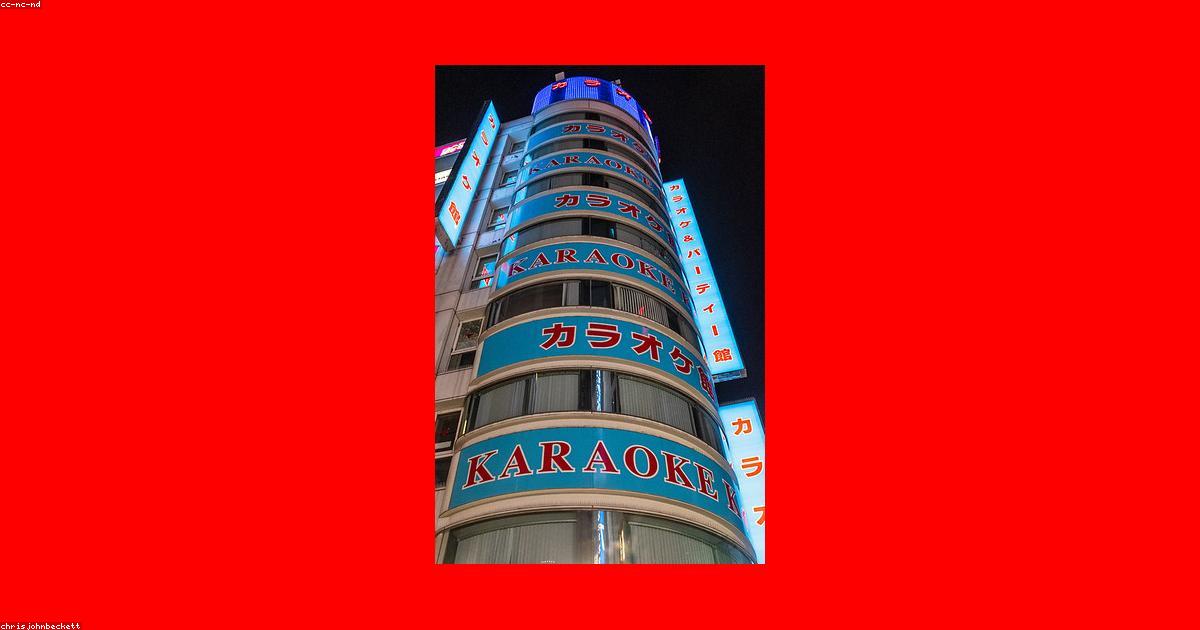
If Tokyo is Japan’s polished business card, Osaka is its loud, hungry, endlessly entertaining cousin. Japan’s third-largest city runs on food, humor, and a directness you won’t find anywhere else in the country. Locals will actually talk to you here. Here’s everything a first-timer needs to know for 2026.
Why Osaka Deserves More Than a Day Trip
Many travelers treat Osaka as a base for Kyoto and Nara, sleeping there but sightseeing elsewhere. That’s a mistake. Osaka has its own identity — it’s historically Japan’s merchant city, and that trading heritage shaped a culture that values good food, good prices, and good conversation over formality.
The city’s unofficial slogan is kuidaore — “eat yourself into ruin.” Take that as an instruction, not a warning.
The Neighborhoods You Need to Know
Dotonbori and Namba (Minami)
This is the Osaka of postcards: the Glico running man sign, giant mechanical crabs, canal-side neon, and street food stalls packed shoulder to shoulder. It’s touristy, yes, but it’s touristy because it delivers. Come at night when the signs reflect off the canal.
Nearby Hozenji Yokocho offers a complete mood shift — a narrow stone-paved alley with a moss-covered temple statue and tiny old-school restaurants, thirty seconds from the chaos.
Umeda (Kita)
Osaka’s northern hub around Osaka Station is the business and shopping district — vast underground malls, department store food halls, and the Umeda Sky Building’s rooftop observatory. It’s where you’ll likely arrive, and the depachika (basement food floors) here are worth an hour on their own.
Shinsekai
Built in the early 1900s and proudly stuck in time, Shinsekai is retro Osaka: the Tsutenkaku tower, kushikatsu restaurants with their strict “no double-dipping” rule, and old arcades. It’s grittier than other districts, which is precisely the appeal.
Osaka Castle Area
The castle itself is a concrete reconstruction, but the park, moats, and stone walls are genuinely impressive — especially during cherry blossom season. The museum inside covers the dramatic history of Toyotomi Hideyoshi, the general who unified Japan from this spot.
What to Eat (The Real Reason You’re Here)
- Takoyaki — octopus-filled batter balls, crisp outside and molten inside. Eat them standing at the stall like a local, but give them a minute unless you enjoy burning your mouth.
- Okonomiyaki — the savory cabbage pancake. Osaka-style mixes everything into the batter, unlike Hiroshima’s layered version. Many restaurants let you cook your own at a table griddle.
- Kushikatsu — skewered, breaded, deep-fried everything, born in Shinsekai. One rule: dip your skewer in the communal sauce once, and only once.
- Kitsune udon — udon topped with sweet fried tofu, an Osaka original and the gentlest meal on this list.
- 551 Horai butaman — steamed pork buns that Kansai locals bring home as gifts. The queue at the station shops moves fast and is worth joining.
A practical tip for 2026: popular Dotonbori restaurants fill up quickly on weekends. Eat early (before 6 p.m.) or late (after 9 p.m.), or head one street away from the canal where prices drop and queues shrink.
Beyond Eating: Things Actually Worth Your Time
- Universal Studios Japan — home of Super Nintendo World. Buy timed-entry tickets in advance; walk-ins regularly miss out on the Nintendo area.
- Osaka Aquarium (Kaiyukan) — one of the world’s largest aquariums, famous for its whale sharks. A strong rainy-day option.
- Kuromon Ichiba Market — a covered market where you can graze on grilled seafood and fresh fruit. Go in the morning for the best atmosphere.
- Sumiyoshi Taisha — one of Japan’s oldest shrines, with a dramatic arched bridge and far fewer tourists than anything in Kyoto.
Easy Day Trips from Osaka
Osaka’s location in Kansai makes it an excellent base — just don’t forget to leave time for the city itself.
- Nara (under an hour): the giant Buddha at Todai-ji and the famously pushy bowing deer.
- Kyoto (15–30 minutes by train): temples, gardens, and geisha districts. Go early to beat the crowds.
- Kobe (about 30 minutes): harbor views, sake breweries in Nada, and the beef that needs no introduction.
- Himeji (about an hour by Shinkansen): Japan’s most spectacular original castle, gleaming white after its restoration.
Practical Tips for 2026
- Getting around: The Osaka Metro is straightforward, and IC cards (ICOCA locally, or a mobile Suica on your phone) work on everything. The Osaka Amazing Pass bundles unlimited transit with free entry to many attractions — do the math if you plan a sightseeing-heavy day.
- From the airport: Kansai International (KIX) connects to the city by the Nankai Rapi:t or JR Haruka trains in under an hour.
- Where to stay: Namba puts you in the middle of the food action; Umeda is better for early train departures and day trips.
- Manners: Osaka is famously relaxed, but the basics still apply — queue for trains, don’t eat while walking in crowded arcades, and stand on the right side of escalators (the opposite of Tokyo, and locals notice).
Final Thoughts
Osaka rewards travelers who come hungry and curious. It has fewer must-see monuments than Kyoto and less scale than Tokyo, but it’s the city where many first-time visitors have the most fun — because Osaka doesn’t perform for tourists. It just invites you to join in. Bring an appetite.