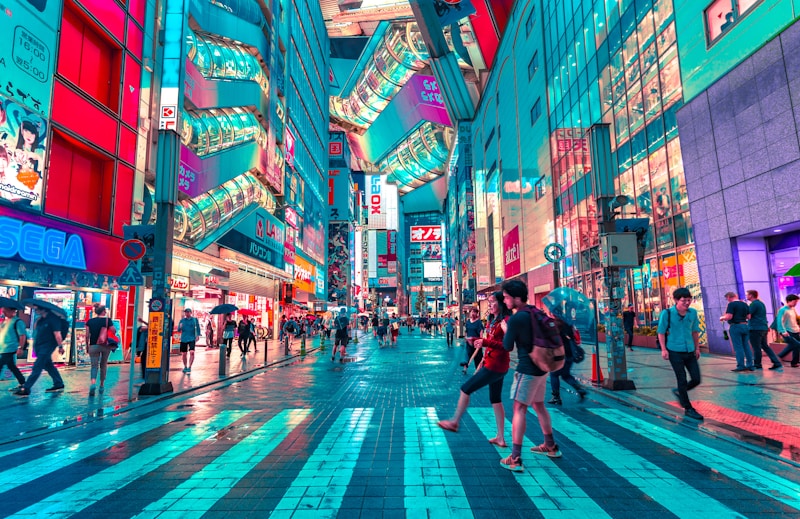
Tokyo skyline at night with the Tokyo Skytree in the background

Tokyo's Best Neighborhoods: Where to Stay, Eat, and Explore in 2026

Tokyo is Not One City β€” It’s Fifty With 14 million people in the city proper and 38 million in greater Tokyo, the metropolis can feel overwhelming. But here’s the key to navigating it: Tokyo is a collection of village-like neighborhoods, each with its own character, rhythm, and identity. Mastering a few key areas will transform your experience from tourist to traveler. This guide covers the neighborhoods every visitor should know β€” and the hidden gems worth discovering beyond the tourist circuit. ...

May 14, 2026 Β· 5 min Β· Japan Insider Team
People bowing in greeting at a traditional Japanese building

Japan Etiquette Guide: 20 Rules Every Visitor Must Know

Why Etiquette Matters in Japan Japan is one of the world’s most high-context cultures β€” meaning that a great deal of communication happens through behavior, social norms, and unspoken rules rather than explicit words. The Japanese concept of meiwaku (迷惑) β€” causing inconvenience or disruption to others β€” is taken seriously, and social cohesion depends on shared behavioral standards. The good news: Japanese people are remarkably forgiving of foreign visitors who make honest mistakes. Simply attempting to follow customs, even imperfectly, earns genuine appreciation. The goal isn’t perfection β€” it’s showing respect. ...

May 13, 2026 Β· 6 min Β· Japan Insider Team
A sleek white Shinkansen bullet train at a Japanese station

The Shinkansen: Japan's Bullet Train β€” Everything You Need to Know

The World’s Most Reliable Train On October 1, 1964 β€” timed precisely to coincide with the opening of the Tokyo Olympics β€” Japan launched the world’s first high-speed rail service: the Tokaido Shinkansen between Tokyo and Osaka. Running at up to 210km/h on its debut, it was unlike anything the world had seen. Six decades later, the Shinkansen network spans 3,000+ kilometers, connects Hokkaido to southern Kyushu, and carries over 150 million passengers per year. Its average delay? Under 54 seconds β€” measured across all delays, including weather events and accidents. For pure operational precision, nothing in the world matches it. ...

May 12, 2026 Β· 5 min Β· Japan Insider Team
Colorful anime figures and merchandise in a Tokyo shop

Anime & Manga in Japan: The Insider's Guide to Otaku Culture

Japan Created the World’s Most Influential Pop Culture Anime and manga have become a global phenomenon worth hundreds of billions of dollars annually β€” but they remain most deeply Japanese in origin, expression, and experience. Visiting Japan as an anime fan offers something no streaming service can provide: the physical places, the dedicated culture, and the astonishing depth of merchandise and community that exist only here. Whether you’re a casual fan who watched Spirited Away or a dedicated otaku with a curated collection, Japan has experiences calibrated exactly for you. ...

May 11, 2026 Β· 5 min Β· Japan Insider Team

--- title: "Japan's Matsuri Culture: The Ultimate Guide to Japanese Festivals" date: 2026-06-04 description: "Everything you need to know about Japanese festivals β€” from centuries-old traditions to practical tips on what to wear, how to behave, and where to find the best matsuri throughout the year." categories: ["Culture", "Travel"] tags: ["matsuri", "japanese festivals", "japan travel", "japanese culture", "traditions", "events"] cover: image: "https://images.unsplash.com/photo-1528360983277-13d401cdc186?w=800" alt: "Japanese festival with lanterns and crowds" caption: "Experience the magic of Japan's vibrant matsuri culture" ShowToc: true TocOpen: true --- If you've ever wandered through a Japanese neighborhood on a summer evening and heard the distant echo of taiko drums, smelled yakitori smoke drifting through the air, or spotted locals in colorful yukata heading somewhere with purpose β€” congratulations, you've stumbled upon one of Japan's greatest treasures: a matsuri (η₯­γ‚Š), or festival. Having lived in Japan for years, I can tell you that matsuri aren't just events on a calendar. They're the heartbeat of Japanese communities, a window into centuries-old traditions, and honestly, some of the most fun you'll have in this country. Whether you're planning your first trip to Japan or you've been living here and somehow haven't experienced a proper festival yet, this guide will get you ready to dive in. ## What Exactly Is a Matsuri? The word "matsuri" comes from the verb "matsuru" (η₯€γ‚‹), meaning to worship or enshrine. At their core, Japanese festivals are religious or spiritual events tied to Shinto shrines or Buddhist temples. They're occasions to honor kami (gods or spirits), give thanks for harvests, pray for prosperity, or ward off evil spirits. But here's the thing β€” you don't need to be religious or even particularly spiritual to enjoy matsuri. Over centuries, these events have evolved into community celebrations that blend the sacred with the festive. You'll find solemn processions alongside carnival games, ancient rituals next to cotton candy stands, and mikoshi (portable shrines) carried by participants who might have been strangers that morning but are now united in a shared experience. Japan hosts an estimated 300,000 festivals throughout the year. Yes, you read that right. Some are tiny neighborhood affairs with a handful of stalls and a small procession. Others, like Kyoto's Gion Matsuri or Osaka's Tenjin Matsuri, draw millions of visitors and have been celebrated for over a thousand years. No matter when you visit Japan, there's almost certainly a matsuri happening somewhere nearby. ## Major Festivals by Season One of the beautiful things about Japanese festival culture is how it follows the rhythm of the seasons. Here's your seasonal guide to some of Japan's most spectacular matsuri. ### Spring Festivals (March - May) Spring in Japan means cherry blossoms, but it also means festivals celebrating renewal, planting season, and welcoming warmer weather. **Takayama Matsuri (Takayama, Gifu)** β€” April 14-15 & October 9-10 This festival in the mountainous Hida region features elaborately decorated floats called yatai that are designated as Important Cultural Properties. The spring edition, held at Hie Shrine, showcases intricate mechanical puppets performing on the floats. The autumn version is equally stunning, with evening floats illuminated by hundreds of lanterns. **Sanja Matsuri (Tokyo)** β€” Third weekend of May Tokyo's wildest festival takes place in Asakusa around Sensoji Temple. Around 100 mikoshi are paraded through the streets by enthusiastic (and often heavily tattooed) participants. It's loud, chaotic, and absolutely thrilling. This is where you'll see yakuza members proudly displaying their full-body tattoos β€” it's one of the few occasions where this is socially acceptable. **Hakata Dontaku (Fukuoka)** β€” May 3-4 Over two million people attend this Golden Week festival, making it one of Japan's largest. Expect parades, traditional performances, and street dancing. The name comes from the Dutch word "zondag" (Sunday), reflecting Fukuoka's historical connections to foreign trade. ### Summer Festivals (June - August) Summer is peak matsuri season. Hot, humid, and absolutely electric with energy, this is when Japan's festival culture truly shines. **Gion Matsuri (Kyoto)** β€” July (entire month, peak July 17 & 24) The granddaddy of all Japanese festivals, Gion Matsuri has been celebrated for over 1,100 years. The highlight is the Yamaboko Junko parade, where massive floats (some weighing up to 12 tons) are pulled through Kyoto's streets by teams of men. The evenings of July 15-16 (Yoiyama) are magical, with floats lit up and traditional machiya townhouses opening their treasures to the public. Book accommodation months in advance. **Tenjin Matsuri (Osaka)** β€” July 24-25 One of Japan's top three festivals, Tenjin Matsuri features a spectacular boat procession on the Okawa River, fireworks, and a land parade with over 3,000 participants in traditional costume. The sight of illuminated boats reflecting on the water while fireworks explode overhead is unforgettable. **Nebuta Matsuri (Aomori)** β€” August 2-7 Giant illuminated floats depicting warriors, kabuki actors, and mythological figures parade through Aomori city. The floats are accompanied by dancers called haneto, and here's the best part β€” anyone can join in! Rent a haneto costume and dance alongside the locals. The energy is infectious. **Awa Odori (Tokushima)** β€” August 12-15 Japan's largest dance festival transforms this Shikoku city into a massive street party. The famous saying goes: "The dancing fool and the watching fool are both fools, so why not dance?" Groups of dancers called ren perform throughout the city, and yes, you can absolutely join public ren and dance the night away. **Obon Festivals** β€” Mid-August (dates vary by region) Technically not a single festival but a Buddhist custom honoring ancestors, Obon is celebrated throughout Japan with bon odori (folk dancing), floating lanterns, and family gatherings. Many local shrines and temples host bon odori events where everyone β€” including clueless foreigners β€” can join the circular dances. ### Autumn Festivals (September - November) Harvest season brings festivals of thanks and spectacular displays of autumn colors. **Kishiwada Danjiri Matsuri (Osaka)** β€” Mid-September This isn't for the faint-hearted. Massive wooden floats called danjiri, weighing up to 4 tons each, are pulled through narrow streets at dangerous speeds. Young men perform acrobatic feats on top while the floats take sharp corners. It's thrilling and, honestly, a bit terrifying. **Jidai Matsuri (Kyoto)** β€” October 22 A "Festival of Ages" featuring a historical parade with over 2,000 participants dressed in costumes spanning 1,200 years of Japanese history. It's like watching a textbook come to life. **Karatsu Kunchi (Karatsu, Saga)** β€” November 2-4 Fourteen elaborately crafted hikiyama floats, some over 170 years old, are paraded through this charming castle town. The floats are shaped like samurai helmets, sea creatures, and lions, all lacquered in stunning colors. ### Winter Festivals (December - February) Cold weather doesn't stop the festivities. Winter festivals often feature stunning illuminations and fire. **Chichibu Night Festival (Chichibu, Saitama)** β€” December 2-3 One of Japan's most impressive float festivals, held at night with fireworks illuminating massive ornate floats. The combination of freezing December air, the warmth of festival food, and the sight of illuminated floats being hauled up steep slopes creates an unforgettable atmosphere. **Sapporo Snow Festival (Hokkaido)** β€” Early February Over 200 snow and ice sculptures, some as tall as buildings, transform Odori Park and the Susukino district. International teams compete to create elaborate ice masterpieces, and the nighttime illuminations are spectacular. **Yokote Kamakura Festival (Yokote, Akita)** β€” February 15-16 Snow huts called kamakura are built throughout the city, each with an altar to the water deity inside. Children inside the kamakura offer amazake (sweet rice wine) and mochi to visitors. It's heartwarming in every sense. ## What to Wear to a Japanese Festival Let's talk wardrobe. While there's no strict dress code for festival-goers (you won't be turned away in jeans and a t-shirt), wearing traditional clothing elevates the experience significantly. **Yukata (ζ΅΄θ‘£)** β€” The summer festival uniform. These lightweight cotton kimono are relatively affordable (Β₯3,000-Β₯10,000 for a decent set including obi belt) and widely available at department stores, UNIQLO, or specialty shops. Many areas have yukata rental shops where staff will dress you properly. For women, this typically includes the yukata, obi belt, and geta (wooden sandals). Men's yukata are simpler but equally stylish. Trust me, walking through a summer festival in yukata just feels right. **Happi Coats (法蒫)** β€” These short, straight-sleeved jackets are worn by festival participants, often with the name of their neighborhood or group on the back. You might see them for sale at festivals, and they make great souvenirs. **Comfortable Shoes** β€” Unless you're committed to the full traditional look with geta, wear comfortable walking shoes. You'll be on your feet for hours on uneven surfaces, often in crowds. Geta sandals look great but take practice to walk in comfortably. **Weather-Appropriate Layers** β€” Summer festivals mean heat and humidity. Winter festivals mean... winter. Check the forecast and dress accordingly. Many festivals continue rain or shine, so having a compact umbrella isn't a bad idea. ## Festival Etiquette: How to Fit In Japanese people are generally forgiving of foreign visitors' etiquette slip-ups, but knowing the unwritten rules will make your experience smoother and more enjoyable. **Regarding Food and Drink:** - Eat while standing still or at designated eating areas. Walking and eating is generally frowned upon in Japan. - Clean up after yourself. Trash cans can be scarce, so bring a small bag for garbage. - Many festivals allow alcohol, but public drunkenness is never a good look. **Around Sacred Elements:** - When a mikoshi passes, step aside respectfully. Don't try to touch it unless invited. - At shrine or temple grounds, bow slightly before entering through torii gates. - If there's a temizuya (water purification basin), feel free to ritually wash your hands β€” or skip it if you're unsure of the process. **General Behavior:** - Don't block pathways or procession routes for photos. - Ask permission before photographing people up close, especially children. - Follow the crowd flow. Japanese festivals can involve millions of people moving in coordinated patterns β€” don't swim against the current. - Participate! If bon odori dancing is happening and others are joining, you're welcome to join too. Locals appreciate when visitors engage with their traditions. **Money Matters:** - Bring cash. Many yatai (food stalls) don't accept cards or electronic payment. - Small bills are king. Having Β₯1,000 and Β₯100 coins ready saves time and hassle. ## What to Bring A festival survival kit makes everything better: - **Cash** β€” Β₯10,000-Β₯20,000 in small bills should cover food, games, and impulse purchases. - **Small bag or backpack** β€” Something you can carry comfortably for hours. - **Portable fan or sensu (folding fan)** β€” Essential for summer festivals. - **Handkerchief or small towel** β€” For wiping sweat and hands. - **Portable phone charger** β€” You'll be taking lots of photos. - **Plastic bag** β€” For trash, wet items, or unexpected purchases. - **Water bottle** β€” Stay hydrated, especially in summer. - **Light snacks** β€” Festival food lines can be long. - **Japanese phrases cheat sheet** β€” Vendors appreciate the effort. ## Must-Try Festival Foods No matsuri experience is complete without exploring the yatai. Here are the classics: **Savory:** - **Takoyaki** β€” Octopus balls from Osaka, crispy outside and gooey inside - **Yakisoba** β€” Stir-fried noodles with a sweet-savory sauce - **Okonomiyaki** β€” Savory pancakes, style varies by region - **Yakitori** β€” Grilled chicken skewers - **Ikayaki** β€” Whole grilled squid - **Karaage** β€” Japanese fried chicken - **Frankfurter** β€” Often spiral-cut and fried **Sweet:** - **Kakigori** β€” Shaved ice with colorful syrups - **Wataame** β€” Cotton candy, often in character-shaped bags - **Choco Banana** β€” Frozen chocolate-covered bananas - **Taiyaki** β€” Fish-shaped cakes filled with sweet bean paste or custard - **Ringo Ame** β€” Candied apples **Drinks:** - **Ramune** β€” Iconic marble-top soda bottles - **Beer** β€” Asahi, Kirin, and Sapporo are festival staples - **Chuhai** β€” Fruit-flavored shochu cocktails in cans ## How to Find Festivals With 300,000 annual festivals, finding one isn't hard β€” finding the right one takes a bit of research. **Online Resources:** - **Japan Guide (japan-guide.com)** β€” Comprehensive festival listings with dates and descriptions - **JNTO (japan.travel)** β€” Official tourism site with major festival information - **Wa-pedia** β€” Regional festival guides - **Time Out Tokyo/Osaka/etc.** β€” Local event listings - **Festival-specific websites** β€” Major festivals have official sites with detailed schedules **Ask Locals:** - Hotel staff and tourist information centers are gold mines of information - Check community boards at convenience stores or supermarkets - Follow local area social media accounts - Ask coworkers or neighbors if you're an expat **Timing Your Visit:** - For major festivals, plan months ahead. Accommodation near Gion Matsuri or Nebuta can sell out six months or more in advance. - Consider visiting slightly less famous festivals for authentic experiences without overwhelming crowds. - Weekday festival days tend to be less crowded than weekends. **Pro Tips:** - Arrive early. Really early. Popular festivals fill up fast. - Know the schedule. Many festivals have specific events at set times β€” the main procession, fireworks, etc. - Have a meeting point planned if going with friends. Cell service can be spotty in massive crowds. - Check rain contingency plans. Some festivals cancel or modify programming for weather. ## Beyond the Big Names: Finding Local Matsuri Some of my most memorable festival experiences have been at tiny neighborhood matsuri that don't appear in any guidebook. Here's how to find them: - **Walk around shrine neighborhoods** β€” Look for decorations, lanterns, or posted notices - **Check local ward office newsletters** β€” They list community events - **Follow the sound of taiko drums** β€” Seriously, this works - **Ask at local shops** β€” "Kono hen de matsuri wa arimasu ka?" (Are there any festivals around here?) - **Keep eyes open in May, July-August, and October** β€” Prime matsuri months Small local festivals often have a warmer, more intimate atmosphere. You might be the only foreigner there, which can lead to wonderful interactions with locals eager to share their traditions. ## Making the Most of Your Festival Experience After attending dozens of matsuri across Japan, here's my honest advice for getting the most out of your experience: **Embrace the chaos.** Festivals are crowded, hot, loud, and sometimes overwhelming. That's part of the charm. Don't fight it β€” surrender to it. **Arrive with an empty stomach.** Festival food is half the experience. Come hungry and graze your way through the yatai. **Stay until dark.** Many festivals transform at night. Lanterns illuminate, floats light up, and the atmosphere becomes magical. **Put down your phone sometimes.** Yes, take photos and videos. But also just stand there and absorb the drums, the chanting, the energy. Some experiences don't need to be documented. **Talk to people.** Japanese people at festivals

12 min Β· Japan Insider Team