Tokyo is Not One City — It’s Fifty
With 14 million people in the city proper and 38 million in greater Tokyo, the metropolis can feel overwhelming. But here’s the key to navigating it: Tokyo is a collection of village-like neighborhoods, each with its own character, rhythm, and identity.
Mastering a few key areas will transform your experience from tourist to traveler. This guide covers the neighborhoods every visitor should know — and the hidden gems worth discovering beyond the tourist circuit.
The Essential Neighborhoods
Shinjuku (新宿) — The Heartbeat of Modern Tokyo
Shinjuku is Tokyo at maximum intensity. The station — the world’s busiest — processes 3.5 million passengers daily. The west side is dominated by glittering skyscrapers, including the Tokyo Metropolitan Government Building (free observation deck with Fuji views on clear days). The east side is an explosion of neon, pachinko parlors, department stores, and the famous Kabukicho entertainment district.
Golden Gai — A labyrinth of 200+ tiny bars, each seating 5–8 people, dating to the 1950s. Some welcome foreigners, some don’t. The atmosphere is like nowhere else in Tokyo.
Best for: Nightlife, shopping (Takashimaya, Isetan), ramen (many excellent shops near the station).
Stay here if: You want to be in the center of everything and enjoy a chaotic, electric atmosphere.
Shibuya (渋谷) — Youth, Fashion, and the Famous Crossing
The Shibuya Scramble Crossing — where up to 3,000 people cross simultaneously from all directions — has become one of Tokyo’s defining images. Surrounding it: the flagship Shibuya 109 (fashion for young women), Loft and Tokyu Hands (Japan’s greatest lifestyle stores), and a forest of department stores.
Beyond the crossing, Daikanyama and Nakameguro (walkable from Shibuya) are the coolest adjacent neighborhoods — tree-lined streets, excellent coffee, boutique shopping, and Nakameguro’s cherry-blossom-famous canal.
Best for: Shopping, streetwear, young creative culture, canal-side walks.
Stay here if: You love fashion and want to be close to Harajuku and Omotesando.
Asakusa (浅草) — Old Tokyo Lives Here
Asakusa is shitamachi — the old working-class city that predates modern Tokyo’s reconstruction. Walk under the giant red lantern of Kaminarimon Gate, along Nakamise Shopping Street (selling traditional crafts, sweets, and souvenirs since the Edo period), and arrive at Senso-ji — Tokyo’s oldest and most visited temple.
The surrounding streets have rickshaws, traditional restaurants, and the best concentration of traditional crafts and souvenirs in the city. Sumida Park (across the river) has spectacular cherry blossoms in spring.
Best for: Traditional atmosphere, souvenirs, nearby Skytree, rickshaw rides, tempura restaurants.
Stay here if: You want historic Japan atmosphere and excellent budget dining options.
Ginza (銀座) — Tokyo’s Most Sophisticated Mile
Japan’s version of Fifth Avenue — a grid of luxury boutiques (Cartier, Chanel, Louis Vuitton, and all major Japanese luxury brands), world-class department stores (Mitsukoshi, Matsuya), and gallery spaces. The Tsukiji Outer Market (a 10-minute walk) is still active after the famous auction moved to Toyosu — the morning fish breakfast here remains extraordinary.
Best for: Luxury shopping, art galleries, fine dining, Tsukiji market breakfast.
Stay here if: You prioritize elegance and proximity to major business and cultural institutions.
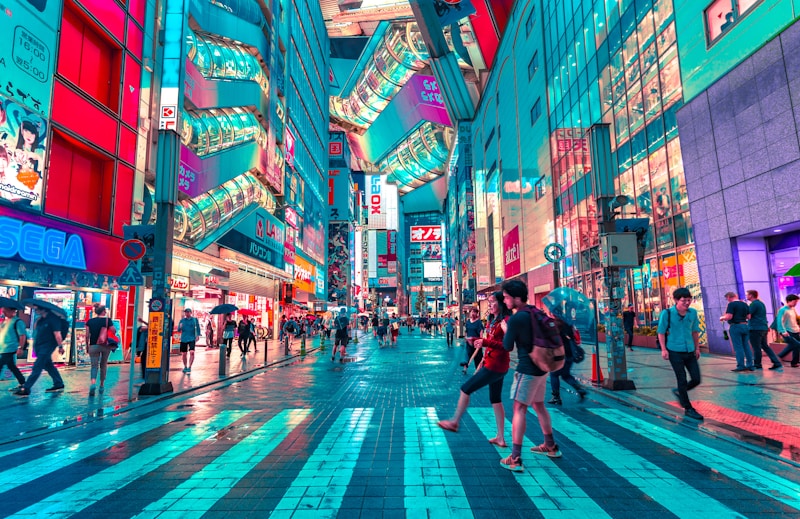
Akihabara (秋葉原) — Electric Town and Otaku Heaven
Once famous purely for electronics, Akihabara has evolved into the global capital of anime, manga, and otaku culture. Multi-story stores dedicated to figures, games, trading cards, and merchandise sit alongside surviving electronics markets and maid cafés (where staff in maid costumes serve themed drinks — a uniquely Japanese experience).
Yodobashi Camera and BIC Camera are massive electronics retailers worth exploring even if you’re not buying — the sheer scale and variety is impressive.
Best for: Anime/manga merchandise, electronics, retro gaming, unique café experiences.
Stay here if: Anime culture is central to your visit, or you want an affordable, central base.
Yanaka (谷中) — Tokyo’s Most Charming Old Town
Yanaka survived World War II bombing largely intact and offers a glimpse of Tokyo before the rapid modernization that remade most of the city. A covered shopping street (shotengai) with small family-run businesses, a centuries-old cemetery, independent coffee shops in old wooden buildings, and traditional craft stores — it’s genuinely charming and barely touristy.
Best for: Photography, authentic local atmosphere, excellent coffee, traditional sweets.
Best visited as: A half-day side trip, not necessarily a base.
Hidden Gems Beyond the Tourist Circuit
Shimokitazawa (下北沢)
Tokyo’s music and theater soul. Hundreds of live music venues, vintage clothing stores, independent bookshops, and the country’s greatest concentration of live music izakayas. Beloved by students and creatives.
Koenji (高円寺)
Vintage clothing paradise and bohemian enclave. Tokyo’s best thrift stores, small live houses, secondhand record shops, and an alternative energy that feels distinct from anywhere else in the city.
Kagurazaka (神楽坂)
Tokyo’s Montmartre. French immigrants and the French Institute have given this area a Franco-Japanese hybrid character. Narrow cobblestone alleys, excellent French and Japanese restaurants, traditional ryotei (high-end Japanese restaurants), and a neighborhood feel the tourist circuit misses entirely.
Where to Stay: Quick Guide
| Neighborhood | Vibe | Price Range | Best For |
|---|---|---|---|
| Shinjuku | Central, intense | ¥8,000–25,000/night | First-timers, nightlife |
| Shibuya | Young, fashionable | ¥10,000–30,000/night | Shoppers, creatives |
| Asakusa | Traditional, quieter | ¥6,000–20,000/night | History lovers, budget |
| Ginza | Elegant, central | ¥15,000–80,000+/night | Business, luxury |
| Shimbashi/Shinagawa | Business-focused | ¥8,000–20,000/night | Transit hub |
| Akihabara | Quirky, affordable | ¥6,000–15,000/night | Otaku, budget |
Affiliate Picks: Tokyo Hotels
- 🏨 Tokyo hotels on Booking.com — Filter by neighborhood for the perfect base. Search here (affiliate link)
- 🏨 Capsule Hotels on Klook — Unique Japanese experience, very affordable. View options (affiliate link)
- 🗺️ Tokyo Travel Guide (Lonely Planet) — The definitive neighborhood guide. View on Amazon (affiliate link)
- 📱 Japan IC Card (Suica) — Essential for navigating between neighborhoods. Get one on Klook (affiliate link)
Final Thoughts
The biggest mistake first-time Tokyo visitors make is staying in one area and treating the city as a series of day trips. A better approach: pick two neighborhoods as bases — perhaps Asakusa for traditional atmosphere and Shibuya for modern Tokyo — and use the impossibly efficient train system to explore outward from there.
Every neighborhood in this city has more depth than a single visit can exhaust. The beauty of Tokyo is that no matter how many times you’ve been, there’s always a new street to discover, a new coffee shop around the corner, a new master ramen chef who’s been quietly perfecting his broth for 20 years.
Tokyo rewards curiosity. Bring plenty of it.