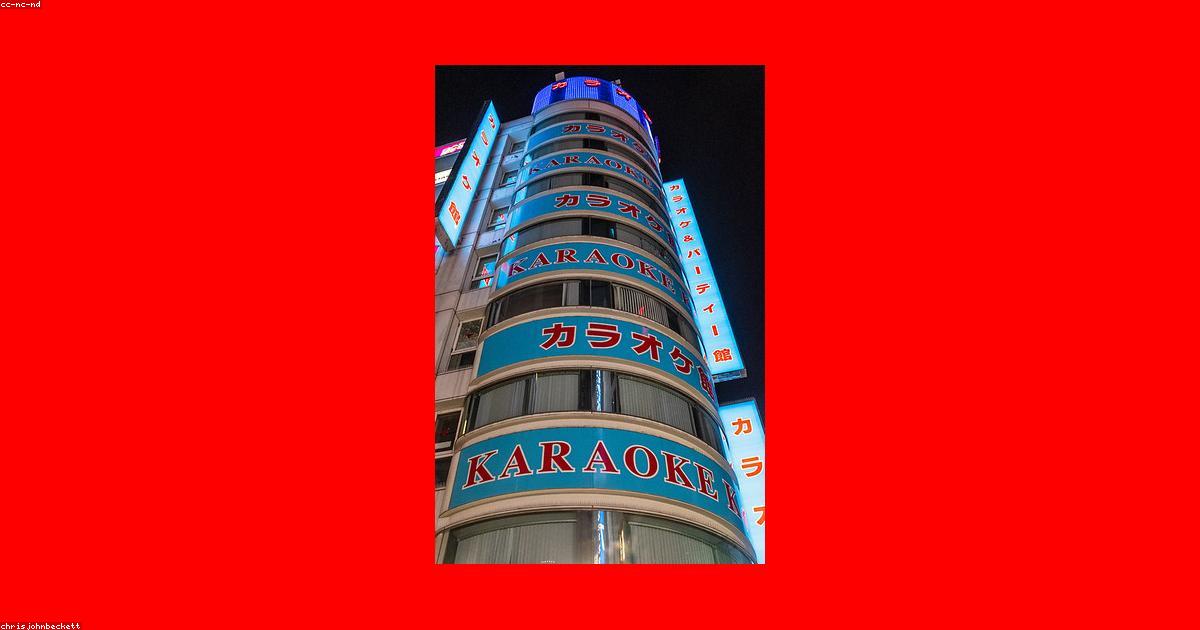
Neon signs and street food stalls in Osaka's Dotonbori district at night

First-Timer's Osaka Guide 2026: Street Food, Neighborhoods, and What Not to Miss

If Tokyo is Japan’s polished business card, Osaka is its loud, hungry, endlessly entertaining cousin. Japan’s third-largest city runs on food, humor, and a directness you won’t find anywhere else in the country. Locals will actually talk to you here. Here’s everything a first-timer needs to know for 2026. Why Osaka Deserves More Than a Day Trip Many travelers treat Osaka as a base for Kyoto and Nara, sleeping there but sightseeing elsewhere. That’s a mistake. Osaka has its own identity — it’s historically Japan’s merchant city, and that trading heritage shaped a culture that values good food, good prices, and good conversation over formality. ...

July 19, 2026 · 5 min · Japan Insider Team
Rows of sleeping capsules inside a Japanese capsule hotel

A Beginner's Guide to Japanese Capsule Hotels: What to Expect Before You Book

Capsule hotels are one of those only-in-Japan experiences that show up on every travel bucket list — but also one of the most misunderstood. Are they cramped coffins? Are they only for drunk salarymen who missed the last train? Not anymore. Here’s what actually happens when you check into a capsule hotel in 2026. What a Capsule Hotel Actually Is A capsule hotel is a budget-to-midrange accommodation built around rows of stacked sleeping pods instead of private rooms. Each capsule is roughly the size of a single bed with just enough headroom to sit up, fitted with a mattress, a reading light, an outlet, and usually a small screen or shelf. A curtain or fold-down shade closes off the opening — there’s no locking door on most capsules, but the privacy is more complete than it sounds. ...

July 9, 2026 · 5 min · Japan Insider Team
People bowing in greeting at a traditional Japanese building

Japan Etiquette Guide: 20 Rules Every Visitor Must Know

Why Etiquette Matters in Japan Japan is one of the world’s most high-context cultures — meaning that a great deal of communication happens through behavior, social norms, and unspoken rules rather than explicit words. The Japanese concept of meiwaku (迷惑) — causing inconvenience or disruption to others — is taken seriously, and social cohesion depends on shared behavioral standards. The good news: Japanese people are remarkably forgiving of foreign visitors who make honest mistakes. Simply attempting to follow customs, even imperfectly, earns genuine appreciation. The goal isn’t perfection — it’s showing respect. ...

May 13, 2026 · 6 min · Japan Insider Team